
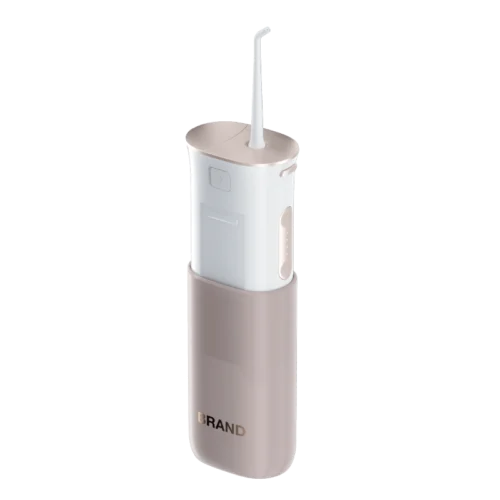
An oral irrigator is a handheld oral care device that emits a stream of water, reaching deep between teeth and gums to remove food particles, plaque, and bacteria. Incorporating an oral irrigator into your daily oral hygiene routine can further enhance the effectiveness of your cleaning.
While oral irrigators are highly effective, they may not be necessary for everyone. If you are considering whether to purchase one, this article is for you.
Oral Irrigators, Toothbrushes, and Dental Floss
Before determining whether you need an oral irrigator, it is helpful to understand how it differs from a toothbrush and dental floss. For daily oral hygiene, toothbrushes and dental floss are the primary tools. Can they replace an oral irrigator?
The answer is no. Let’s look at why.
Toothbrushes are primarily designed to clean the surfaces of teeth and the gum line, serving as the main tool for removing plaque. Dental floss is used to clean plaque from the spaces between teeth. An oral irrigator, on the other hand, uses a stream of water to flush out loose food particles from between teeth, the gingival sulcus (gum pockets), and around dental braces; it functions as an auxiliary cleaning tool. Since each tool serves a distinct purpose, they cannot replace one another.
Who Should Use an Oral Irrigator?
An oral irrigator is recommended for individuals with the following conditions or circumstances:
Bleeding Gums and Tooth Sensitivity
There are many reasons why gums might bleed. The most common cause is gum disease, which often begins with bleeding gums (gingivitis). If left untreated, this can progress to periodontitis. Additionally, bleeding can occur if too much force is applied while flossing.
An oral irrigator can effectively clean these sensitive areas without the pain sometimes associated with traditional flossing. You can even use the “sensitive mode” on your oral irrigator before flossing to gently remove as much food debris as possible.
Those with Braces, Dental Implants, or Dental Bridges
Food particles can easily become trapped around dental appliances such as braces, bridges, or implants. An oral irrigator handles this with ease, clearing away food debris trapped in hard-to-reach places. If plaque around orthodontic brackets is not removed promptly, it can lead to various oral health issues, including gum disease.
Dry Mouth
Saliva acts as a natural cleanser for the mouth, helping to prevent the buildup of sticky plaque. However, due to factors such as medication or genetics, some individuals may not produce enough saliva, which increases the risk of gum disease and tooth decay. An oral irrigator helps hydrate the mouth and effectively removes sticky plaque.
Food Impaction
Some people are more prone to food getting stuck between their teeth than others. This can be caused by the shape of the teeth or dental misalignment. For those who frequently experience food impaction—whether due to tooth alignment, dental bridges, or implants—an oral irrigator is an ideal tool for cleaning these “hard-to-reach” areas
If you experience any of the above, consider purchasing an oral irrigator. The Langchi LX10 oral irrigator offers the following features:
- 4 operating modes
- Up to 60 days of battery life
- Supports extended use with an automatic shut-off function
- Smart memory function
- Portable, minimalist design
- Battery level indicator
- High-frequency pulse technology
- 3-second gradual intensity ramp-up
- 4 modes: Strong, Standard, Gentle, and Pulse
- 4 professional-grade nozzles: Standard, Tongue Cleaner, Orthodontic, and Periodontal Pocket
- Detachable water tank for easy cleaning
It’s an excellent choice for your oral care needs!

